
Author: Xueshuang Refrigeration Market Insights Team | June 2026
In the past, retailers cared about three things when choosing display cabinets: capacity, durability, and low cost. As long as the cabinet could hold products, didn't break, and was affordable, it was considered good enough.
But in the past three years, this logic has been upended. Consumers are increasingly willing to pay for stores that are "beautiful," "enjoyable to browse," and "Instagram-worthy." As one of the largest and most visually prominent hardware elements in a store, display cabinets have evolved from mere storage tools into protagonists of spatial storytelling.
This article outlines four major shifts in retail display cabinet demand, offering reference for operators planning new stores or upgrading existing ones.
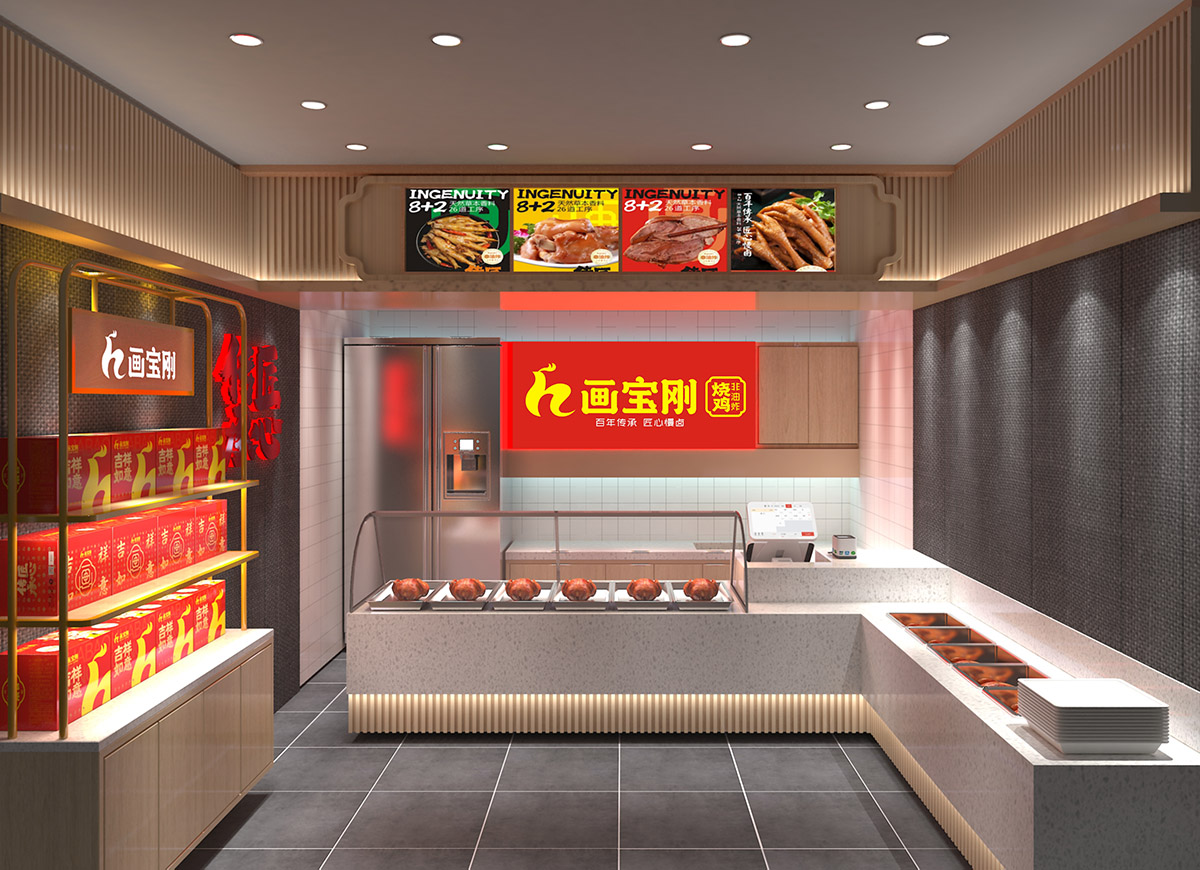
Shift 1: From "Maximum Capacity" to "Visual Appeal"
Traditional cabinet design logic was "fit as many products as possible per square foot" — dense shelves, deep compartments, high stacks. This still works in wholesale markets and warehouse stores, but not in boutique supermarkets, community fresh-food stores, or bakery concept stores.
The new generation of cabinets emphasizes visual transparency:
Curved glass replaces right-angle frames, reducing visual obstruction and allowing customers to see products from multiple angles.
LED strips replace fluorescent tubes with adjustable color temperature (3000K–5000K), casting "appetizing light" or "freshness light" tailored to product categories.
Adjustable shelf spacing accommodates products of different heights, avoiding the cheap look of "empty space on top, crammed products below."
In short: a display cabinet is no longer a shelf — it's a product runway.
Shift 2: From "Cold Machine" to "Warm Experience"
Commercial refrigerators used to evoke images of "silver metal + white lights" — like lab equipment. Today, more brands pursue material and color harmony:
Wood-grain shelves, brushed metal frames, matte black/gray cabinets have become mainstream, reducing industrial feel while enhancing home-like warmth and quality.
Unified cabinet and store decor style: Japanese wood-grain, industrial concrete, or luxury metallic — cabinets need to "blend in" like furniture, not stand out awkwardly.
Brand logo light boxes and illuminated signage are now standard — the cabinet itself becomes the brand's in-store billboard.
The first thing customers notice when walking into a store is not the products, but the "atmosphere." The warmth of a display cabinet determines whether customers feel like stopping.
Shift 3: From "Passive Display" to "Interactive Guidance"
Traditional cabinets just "sit there" — customers look and grab. Now, cabinets are taking on a role in guiding purchase decisions:
Integrated tasting platform and display cabinet: deli counters now include tasting trays and napkin holders right next to the display, shortening the path from "see → taste → buy."
Tilted shelves and front-row emphasis: best-selling items naturally sit at arm's reach — no bending or stretching needed.
Digital price tag screens or QR code slots: customers can scan to check origin, ingredients, and recipes, reducing staff explanation time.
A great display cabinet works like a silent salesperson — it doesn't speak, but every detail guides customers toward a purchase.
Shift 4: From "One-Size-Fits-All" to "Modular Customization"
Chain brands expand quickly, but every store has different dimensions, shapes, and entrance orientations. The old approach was "store waits for cabinet." The new trend is cabinet waits for store — modular cabinets have become mainstream:
Standard-sized unit cabinets (600mm, 900mm, 1200mm wide) can be freely combined to fit walls of varying lengths.
Corner units, curved cabinets, and island modules solve wasted corner space.
Universal top/bottom connectors allow cabinets with different functions (refrigerated, room-temperature, heated) to join seamlessly for a unified look.
This "Lego-style" approach ensures brand consistency while reducing per-store customization costs — especially popular among convenience store chains and bakery brands.
Xueshuang's View: Experience Design ≠ Sacrificing Practicality
As a manufacturer with years of expertise in commercial refrigeration, Xueshuang believes: experience-driven design doesn't mean making cabinets flashy — it means adding aesthetics, interaction, and brand value on top of solid practicality.
We've observed that truly successful store upgrades achieve three balances:
Freshness performance is non-negotiable — no matter how beautiful a cabinet is, if it makes bread go stale in half a day or mixes food odors, it fails.
Operational efficiency must not decline — restocking ease, cleaning simplicity, and energy control remain fundamental.
Style must match the product category — wood-grain works for premium cakes, but feels off for frozen dumplings.
That's why Xueshuang's product development principle has always been: first make a great refrigerator, then make it a great-looking refrigerator. Our expertise in insulation thickness, air curtain uniformity, and defrost control precision provides a solid foundation for "experience-driven design."
Final Thoughts
Retail competition has shifted from "product wars" to "experience wars." As the hardware element with the most transformation potential in a store, display cabinets deserve careful attention from every operator.
If you're planning a store upgrade, start with your display cabinets — change the way you display, and you might change your sales results.
— Written by Xueshuang Refrigeration Technical Team. Please credit the source if republished.